How will agricultural products fare this year after the record-breaking surge?
Thi Ha
3/4/20265 min read
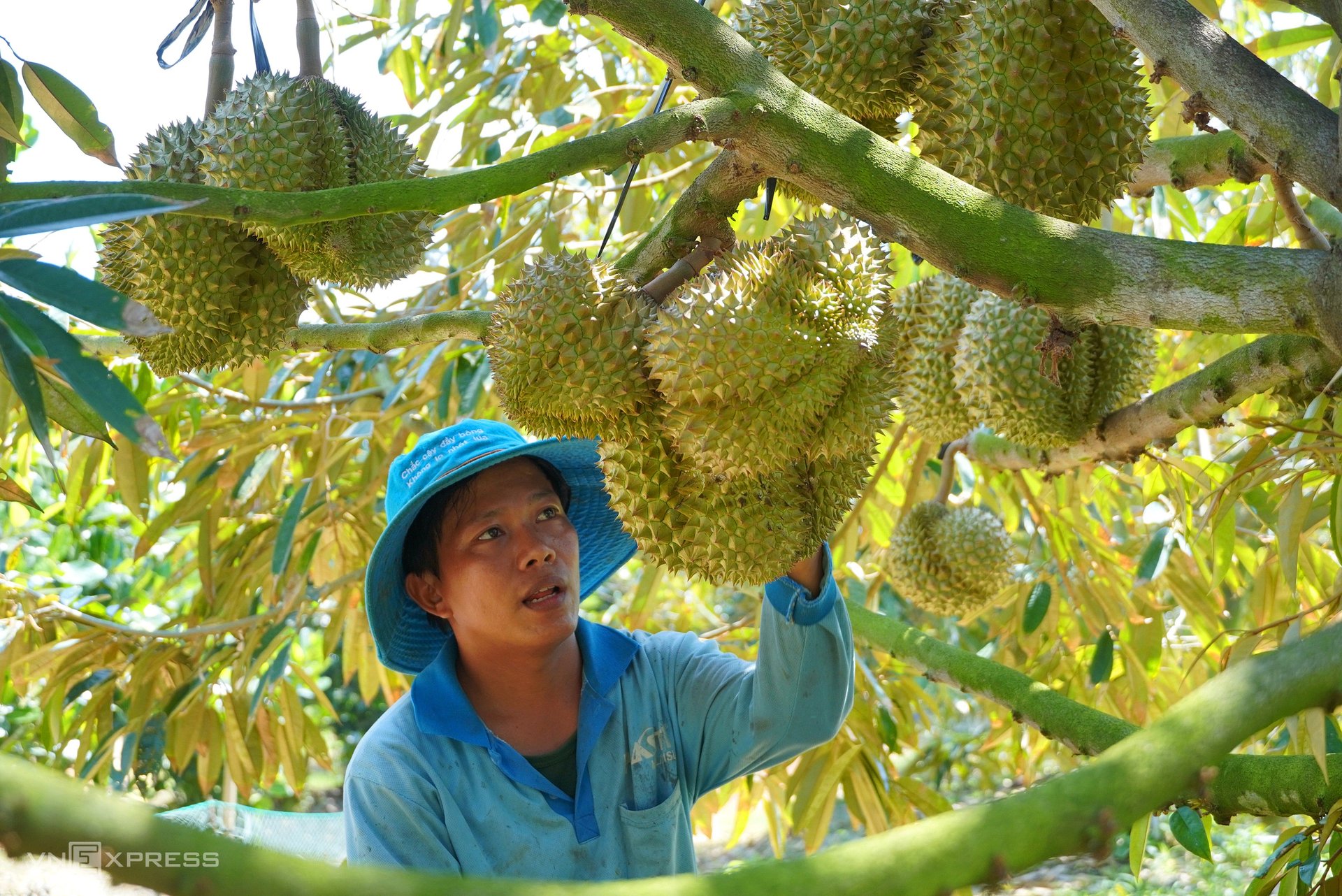
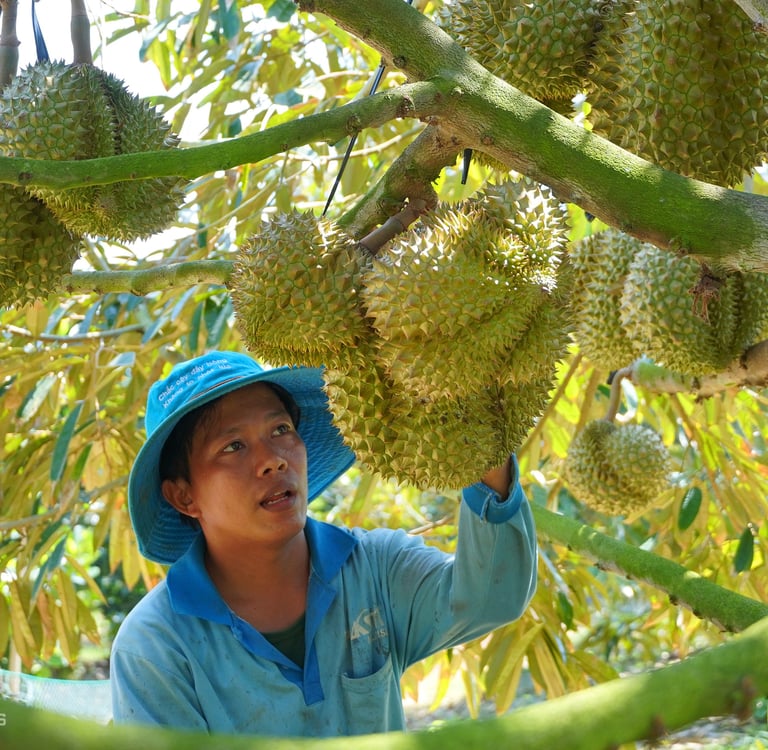
This year, the agricultural sector aims for record-high exports of $74 billion, but pressure is mounting as agricultural prices reverse and technical barriers become increasingly stringent.
Last year, coffee prices at one point exceeded 134,000 VND per kilogram, durian brought in billions of USD, and rice continued to play a major role as a major global supply source. 2025 will conclude with an unprecedented milestone for Vietnam's agricultural exports, with total industry turnover exceeding 70 billion USD and a series of key commodities reaching record highs.
Entering 2026, the agricultural sector aims for total exports of 73-74 billion USD, with agricultural products alone striving for approximately 40 billion USD. According to the Ministry of Agriculture and Environment, the growth orientation for the coming period will focus on value and quality, rather than expanding production volume, with key pillars including rice, coffee, fruits and vegetables, pepper, and cashew nuts.
The motivation is still there, but the game has changed.
With rice, Vietnam continues to maintain its position as one of the world's important suppliers. It is projected that by 2026, the country's paddy production will reach over 43.5 million tons, leaving approximately 7.73 million tons for export after meeting domestic demand. However, the market context is no longer as favorable as in previous periods, when global supply was more abundant and import demand was stable. Under these conditions, the advantage of Vietnamese rice lies not in price competitiveness, but in its ability to expand into the high-quality rice segment, particularly fragrant rice, and to secure long-term contracts to stabilize output.
Coffee continues to be a bright spot in Vietnam's agricultural sector. In 2025, Vietnam exported approximately 1.6 million tons of coffee, earning nearly $8.9 billion, an increase of almost 60% compared to the previous year, thanks to high prices and strong demand from Europe and other developed markets. According to Mr. Nguyen Nam Hai, Chairman of the Vietnam Coffee and Cocoa Association, the coffee industry faces many favorable conditions in 2026. The weather has not shown any unusual fluctuations so far, while prices have remained high for the past three years, allowing farmers to reinvest and better care for their plantations. Based on this, production in the next crop year could increase by about 10%.
From a policy perspective, long-standing obstacles in the industry have been removed, particularly regulations related to value-added tax on unprocessed coffee. Adjustments towards a more favorable policy direction help reduce costs and improve cash flow throughout the entire chain.
However, according to Mr. Hai, risks remain as climate change, geopolitical instability, logistics costs, and the trend of using tariffs as a trade tool in some major markets continue to create uncertainty. "Unless a major shock occurs, coffee export turnover in 2026 could increase by about 10% compared to the previous year," Mr. Hai predicted.
Fruits and vegetables are the fastest-growing product group in recent years. Last year, fruit and vegetable exports reached over $8.56 billion, a significant increase compared to $5.6 billion in 2023 and $7.12 billion in 2024. The main driving force came from durian, with export value of approximately $3.85 billion, of which frozen durian contributed nearly $600 million after China opened its doors to official imports.
According to Mr. Dang Phuc Nguyen, General Secretary of the Vietnam Fruit and Vegetable Association, the fruit and vegetable industry still has room for growth in 2026, but the growth rate will be more stable after a period of rapid increase. The industry has a basis to set a target of 9.5-10 billion USD in export turnover, thanks to the expansion of markets for new products such as fresh coconuts and pomelos, along with the rapid increase in the group of deeply processed goods.
However, Mr. Nguyen pointed out that the biggest challenge lies in tightening the management of planting area codes and packaging facilities. Fraudulent practices, if detected, could lead to widespread import bans, harming the entire industry. Competition in the region is increasingly fierce, while climate change and saltwater intrusion continue to directly affect fruit yield and quality, especially in the Mekong Delta.
Not only industry associations, but also many research organizations believe that Vietnam's agricultural exports are entering a new phase. The Vietnam Agribusiness Sector Report 2025-2026 by EMIS Insights (a global market analysis organization based in the UK) assesses that agricultural products will continue to be a pillar of exports, but the growth potential in the next cycle will mainly come from high-value products, deep processing, and the ability to meet market standards, rather than expanding production volume.
From a macroeconomic perspective, MBS Research's Vietnam Outlook 2026 report forecasts that Vietnam's exports as a whole could increase by approximately 15-16% this year, thanks to market expansion and a structural shift towards higher value-added product groups. This trend creates a favorable foundation for agricultural products, but also leads to a clear differentiation between businesses with closed value chains and those still dependent on raw material exports.
Warnings about the risks are becoming increasingly clear. The United Nations Food and Agriculture Organization and the World Bank believe that climate change will continue to be the biggest long-term challenge for agricultural exporting countries, including Vietnam. In addition, the trend of tightening environmental standards, food safety, and traceability in the EU, the US, and Japan is increasing compliance costs, forcing businesses to restructure if they want to maintain market share.
Following a record-breaking surge, according to industry associations, 2026 will not simply be a new growth milestone but a test of the resilience of Vietnam's agricultural exports. As the room for expanding production and increasing selling prices gradually narrows, the ability to control raw material sources, increase added value, and adapt to market demands will determine the competitiveness of businesses.
From the perspective of the fruit and vegetable industry, Mr. Dang Phuc Nguyen, General Secretary of the Vietnam Fruit and Vegetable Association, believes that the key solution in the coming time is to accelerate the shift towards deep processing, with frozen durian being considered a strategic direction due to its high value, long shelf life, and reduced seasonal pressure.
Businesses need to invest early in cold storage and rapid freezing technology to capture new market segments, while also taking advantage of incentives from FTAs such as CPTPP and EVFTA to expand exports of processed fruits, instead of relying on fresh produce. Simultaneously, the green consumer trend requires products to have transparent origins and meet safety and sustainability standards.
According to Mr. Nguyen, in the context of markets tightening regulations on planting area codes, people and businesses need to strictly comply with regulations, because even a single violation can pose risks to the entire industry, requiring decisive action from management agencies. Given the pressure of regional competition and the increasingly evident impact of climate change, the long-term solution is to improve quality and uniformity, enhance packaging and processing, replan planting areas, apply adaptive farming techniques, and increase linkages between businesses and cooperatives to control raw material areas and stabilize output.
Source: Vnexpress
© 2025. All rights reserved.
We are always ready to support your sourcing needs and discuss customized solutions.
Let’s connect and explore how Vietcommodities can become your trusted partner!