Vietnamese agricultural products are shifting strongly from "quantity" to "quality".
Agricultural exports in early 2026 showed many positive signs with progress into demanding markets, but also revealed many "bottlenecks" regarding policies, capital, and international standards. Faced with increasing competition and stringent green barriers, the agricultural sector is shifting strongly from increasing production to improving quality, aiming to build a premium "passport" for Vietnamese agricultural products in the global market.
Chu Khoi
2/2/20262 min read
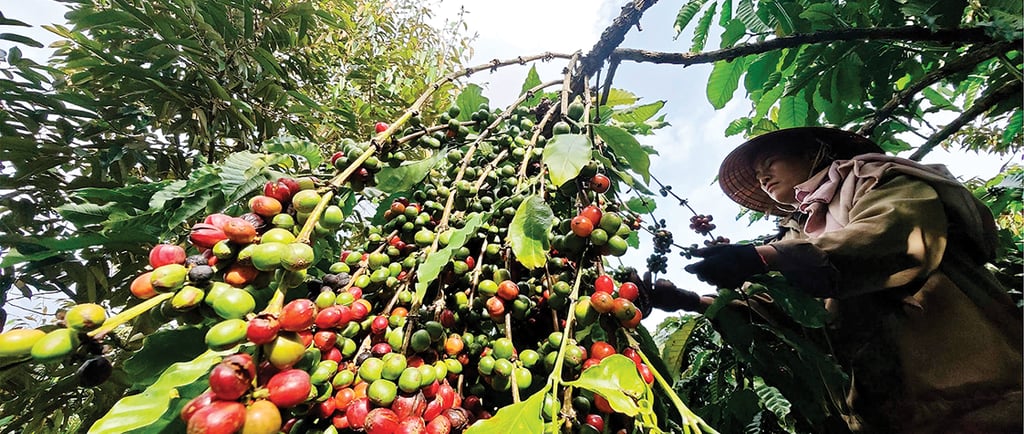
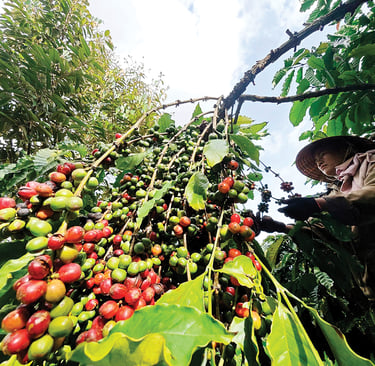
Vietnamese agricultural products are undergoing a significant transformation, shifting from a focus on quantity to an emphasis on quality. Since the beginning of 2026, agricultural exports have shown many positive signs, particularly in penetrating demanding markets such as the US and Canada. However, alongside these commendable achievements, the agricultural sector also faces numerous challenges related to policy, capital, and international standards.
At the conference on implementing tasks for 2026 organized by the Ministry of Agriculture and Environment, representatives from various associations and businesses pointed out shortcomings in current policies. Rapid policy changes, especially those related to taxes and permits, are putting significant pressure on businesses. This not only affects procurement activities but also disrupts the supply chain, creating opportunities for competitors such as Thailand and the Philippines to gain market share.
One of the outstanding achievements of the fruit and vegetable industry is the successful entry of fresh longan fruit from Vietnam into the US and Canadian markets. This is the result of close cooperation between farmers and businesses, along with strict adherence to production and post-harvest preservation processes. However, to maintain and expand the market, businesses need thorough preparation and long-term investment, which requires a stable policy roadmap and support from the government.
The rice industry is also facing many challenges, especially access to capital. Many businesses report that credit limits have been cut by up to 50% at the very moment they need capital to purchase rice for the new season. This not only creates difficulties for businesses but also puts great pressure on farmers. To address this issue, greater flexibility in credit policies and support from banks are needed.
Furthermore, increasingly stringent international regulations pose significant challenges for Vietnamese agricultural products. Importing markets such as the EU and the UK are tightening requirements regarding animal and aquatic welfare, as well as regulations against deforestation. This necessitates strict adherence to sustainable production processes and reduction of greenhouse gas emissions by the agricultural sector.
To achieve the export target of $73-74 billion by 2026 and aim for $100 billion by 2030, the agricultural sector needs to focus on improving quality and added value. This includes promoting deep processing, developing green agriculture and a circular economy, as well as strengthening food safety management and traceability.
In the context of increasingly stringent international market standards, shifting from "quantity" to "quality" is not just an option but a necessity. Vietnam's agricultural sector needs more strategic and decisive steps to build a superior "passport" for Vietnamese agricultural products in the global market. Only by doing well from the "root" can Vietnamese agricultural products conquer demanding markets and achieve sustainable long-term development.
Sources: VnEconomy
© 2025. All rights reserved.
We are always ready to support your sourcing needs and discuss customized solutions.
Let’s connect and explore how Vietcommodities can become your trusted partner!